
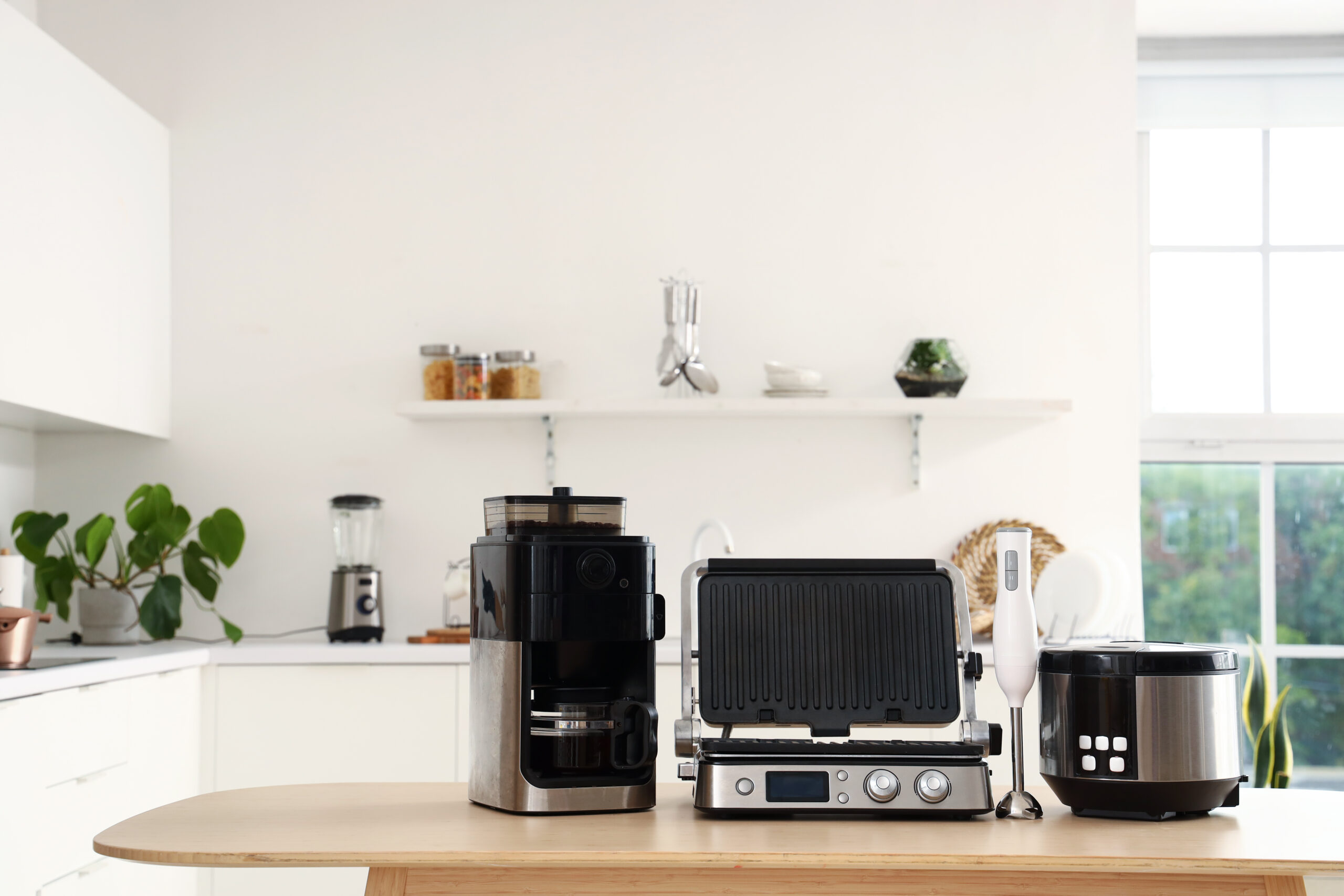
The kitchen, often regarded as the heart of the home, is incomplete without essential appliances that simplify cooking and food preparation. From blending smoothies to reheating leftovers, these gadgets have become vital in modern households. Kitchen appliances not only save time and effort but also allow people to explore various culinary techniques and create delicious meals effortlessly.
In this article, we will look at some must-have kitchen appliances that have transformed the way we cook and eat. We will discuss the versatility of blenders, the convenience of microwaves, the reliability of toasters, and the health benefits of air fryers. Whether you’re an experienced chef or just starting out, these appliances are sure to enhance your kitchen experience and make your culinary journey more enjoyable.
Blender
Blender Power
The power of a blender is essential for its effectiveness. High-powered blenders, usually over 1,000 watts, can tackle tough ingredients and produce smooth smoothies, creamy nut butters, and refined sauces. Some can even make hot soups by using the friction generated from high-speed blades. While wattage is important, smart design features like the number of blades, spin speed, and pitcher shape also play a role in performance.
Blender Capacity
Blender capacity can vary, with some models featuring large 2-litre jugs for those who need to prepare big batches. However, smaller jugs are often more suitable for most households. The Breville Super Q, for example, is great for making large quantities but may not perform as well with smaller recipes.
Blender Versatility
Today’s blenders are remarkably versatile. They can mill flour, chop both wet and dry ingredients, crush ice, create hot soup from raw ingredients, make nut butters, and even prepare dough. High-performance blenders can transform tough vegetables like kale into a silky-smooth consistency with just a bit of water. They’re ideal for smoothies, shakes, sauces, and even cocktails with crushed ice.
Microwave
Microwave Size
The capacity of a microwave, measured in litres or cubic feet, determines how much space is available inside. Sizes generally range from 25L to 50L, with most models falling between 1 to 2 cubic feet. For smaller households or those mainly using the microwave for reheating and defrosting, a compact model is usually sufficient. However, larger families or those preparing full meals should consider models with bigger capacities.
Microwave Power Levels
Wattage reflects a microwave’s cooking power, typically between 500 to 1200 watts. A higher wattage means quicker cooking times. Most microwaves come with adjustable power levels, enabling users to cook food more gently. This feature is especially beneficial for delicate items like eggs, dairy, and grains, helping to avoid overcooking or burning.
Microwave Special Features
Today’s microwaves are equipped with a variety of special features that make cooking more convenient. These include sensor cooking, which automatically adjusts cooking times based on the amount of steam released, and quick-cook keys for specific food types. Some advanced models even provide air fry, convection, and steam cooking modes, broadening their functionality beyond just reheating.
Toaster
Toaster Slot Size
The size of a toaster’s slots is important for fitting different types of bread. Typically, the average slot measures about 14.47cm in width and 12.76cm in height, which works well for standard slices. However, artisanal breads like sourdough can be as wide as 22cm, making them a bit tricky to toast. Some toasters come with extra-wide slots that can handle thick, hand-cut slices, ensuring they toast evenly without leaving any pale edges.
Toaster Settings
Today’s toasters come with a variety of settings to help you achieve your ideal toast. Many models are equipped with browning control dials that offer several shade options, usually between 1 and 6 or 7. These settings control the flow of electricity through the toaster, which affects how long the bread is toasted and how brown it gets. Additionally, some toasters have specific settings for bagels and frozen items to cater to different toasting requirements.
Toaster Safety Features
Safety is a key consideration when using toasters. It’s important to regularly clean the crumb tray to avoid fire risks. Keeping toasters away from liquids and flammable materials is essential. Users should unplug their toasters when they’re not in use and refrain from inserting metal objects into them. Regularly checking for any damage and ensuring proper RCD protection is vital. Registering new toasters with the manufacturer can also help ensure you receive timely safety notifications if necessary.
Air Fryer
Air Fryer Capacity
Air fryers are available in a range of sizes, from 2 to over 20 litres. Smaller models (2-6 litres) are great for individuals or couples, making them perfect for snacks. Medium-sized fryers (8-18 litres) work well for small families, suitable for everyday meals. Larger air fryers (20+ litres) are designed for bigger families or group cooking. Some models even come with dual baskets, allowing you to cook different foods at the same time.
Air Fryer Temperature Range
Air fryers generally operate within a temperature range of 325°F to 400°F. For the best results, it’s recommended to set the temperature about 25°F lower than you would for conventional ovens. Roasting typically requires temperatures between 375°F and 425°F, depending on what you’re cooking. When baking, lower temperatures around 325°F are used, along with shorter cooking times and minimal preheating.
Air Fryer Cooking Modes
Today’s air fryers come with a variety of cooking modes, such as air fry, roast, bake, broil, and dehydrate. These preset functions are designed to combine specific temperatures and cooking times to help you achieve the best results. If you prefer to operate manually, be sure to check the manufacturer’s instructions for temperature and time recommendations for different cooking methods.
Conclusion
The kitchen appliances highlighted in this article play a crucial role in our everyday cooking habits. From robust blenders that create smoothies and sauces to adaptable microwaves that heat and cook, these tools streamline food preparation, making it faster and more convenient. Toasters and air fryers complement this collection, providing methods to prepare crispy, tasty meals with less oil and effort.
In conclusion, these vital kitchen appliances not only help save time but also expand our cooking options. They empower both beginner cooks and experienced chefs to try out various culinary techniques and whip up a diverse array of dishes. As technology progresses, we can anticipate these appliances becoming even more efficient and multifunctional, further enhancing our kitchen experiences.