
In today’s social media landscape, food photography has evolved into a true art form. With platforms like Instagram acting as virtual dining tables, knowing how to capture food photos that grab attention is an essential skill. Whether you’re a food blogger, a restaurant owner, or just someone who enjoys sharing their culinary adventures, mastering food photography can enhance your social media presence and engage your audience in exciting new ways.
This article will walk you through the key techniques for taking mouthwatering food photos for social media. We’ll discuss the significance of lighting in food photography and provide tips on styling your dishes to create visually stunning compositions. You’ll discover the best angles to showcase your food and learn how photo editing can elevate your images. By the end, you’ll be equipped with the knowledge to turn your food photos from simple snapshots into professional-looking masterpieces that will leave your followers craving more.
Master the Lighting
Lighting is a vital element in capturing mouthwatering food photos for social media. Knowing how to manipulate light can turn an ordinary snapshot into a professional-looking image that makes your followers’ mouths water.
Natural vs Artificial Light
Many food photographers prefer natural light for its soft and flattering qualities. It’s easily accessible and can yield beautiful results when used properly. The ideal natural light for food photography is soft and diffused, which can be achieved by shooting near a window on a cloudy day or using sheer curtains to soften harsh sunlight.
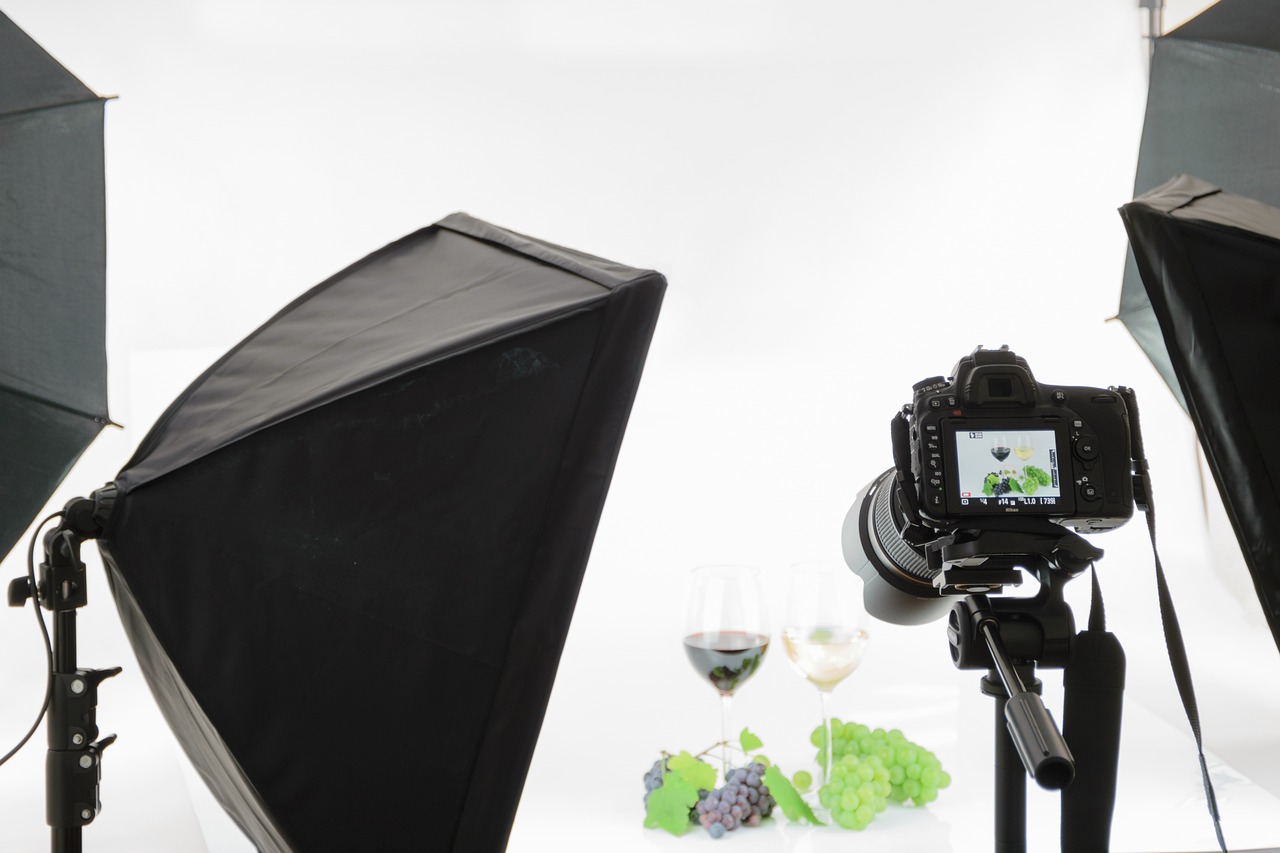
On the other hand, artificial light provides greater control and consistency. It allows photographers to create the desired lighting effect regardless of the time of day or weather conditions. Options for artificial lighting include continuous LED panels, speedlights, and studio strobes.
Best Times of Day to Shoot
When utilising natural light, the golden hour—occurring at sunrise or sunset—offers a warm, soft glow that beautifully enhances food photography. This time is perfect for capturing inviting and appetising images for Instagram. However, it’s advisable to steer clear of shooting in direct, harsh sunlight, as it can create strong shadows and lead to overexposed photos.
Using Reflectors and Diffusers
Reflectors and diffusers are vital tools for manipulating light and improving food photography. Diffusers help soften and spread light, minimising harsh shadows and ensuring even illumination. They can be crafted from materials like sheer fabrics or specialised diffuser panels.
Reflectors bounce light back onto the subject, helping to fill in shadows and brighten the scene. They can be made from materials such as foam boards or dedicated reflector discs. Trying out different sizes and angles of reflectors can help achieve the desired look and enhance the appeal of food photos for social media.
Style Your Shots
Styling food photos for social media demands a keen eye for detail and a touch of creativity. To ensure food photos grab attention on Instagram, photographers should consider various elements that contribute to a visually appealing image.
Choosing Props and Backgrounds
When picking props and backgrounds, it’s crucial to select items that enhance the food without overpowering it. Smaller plates and bowls are ideal, as standard dinnerware can seem too large in images. Opting for neutral colours and matte finishes helps avoid distracting reflections. Vintage or antique props can lend character to rustic-style shots, while clean, elegant pieces are better suited for more refined compositions.
Plating Techniques
Plating plays a vital role in food photography. The aim is to present the food in a way that looks appetising and visually appealing. One effective method is to incorporate height and layering to add dimension. For example, when photographing a burger, stacking the ingredients can enhance its attractiveness. When shooting from above, arranging food items in various shapes and sizes can create visual interest. Keeping portions small is essential, as it allows for better composition and makes the food more photogenic.
Creating Visual Interest
To enhance visual interest in food photos, think about using contrast and balance. Contrasting colours, textures, or shapes can help certain elements pop. Adding garnishes or drizzles of sauce can elevate the overall look of a dish. Fresh herbs, citrus fruits, or edible flowers can introduce vibrant colours and hint at flavour. Negative space is also crucial, as it helps to balance the composition and directs focus to the main subject. By thoughtfully arranging elements and applying these techniques, photographers can produce Instagram-worthy food photos that engage viewers.
Capture the Perfect Angle
Finding the perfect angle is essential when learning to take food photos for Instagram. The chosen angle can greatly influence the visual appeal of the dish and how it is presented on social media.
Overhead Shots
Overhead shots, often referred to as flat lays, have gained popularity on Instagram. This angle is particularly effective for flat dishes like pizzas, pies, or foods served in shallow bowls. It works well to highlight the shape, colour, and texture of the food. When shooting from above, consider using a tripod to maintain stability and prevent camera shake. This angle is excellent for creating visually striking compositions and is ideal for tutorials or demonstrations.
45-Degree Angles
The 45-degree angle is a popular choice in food photography. It enables photographers to showcase both the surface and sides of a dish, adding depth and dimension to the image. This angle works particularly well for layered foods like cakes or sandwiches, highlighting the various components of the dish. Additionally, it mimics the natural way people view food on a table, making the image more relatable and appealing to viewers.
Close-Ups and Macro Photography
Close-up and macro photography can introduce an exciting dimension to food images. This technique is especially effective for subjects with captivating textures, patterns, or colours. For example, capturing the sugar crystals on desserts or the intricate details of vegetables can result in stunning abstract images. When taking close-ups, consider using a macro lens to capture fine details and create visually striking compositions that will catch attention on Instagram.
Edit for Maximum Impact
After getting the perfect shot, editing is essential for enhancing food photos for Instagram. Good editing can turn an ordinary image into a mouthwatering masterpiece that stands out on social media.
Adjusting Exposure and Contrast
The first step in editing food photos is adjusting the exposure and contrast. Exposure controls the overall brightness of the image, while contrast influences the difference between light and dark areas. For the best results, slightly underexpose the image while shooting, then adjust the exposure during post-processing. This method helps maintain details in the highlights and provides more flexibility in editing.
Enhancing Colours
Colour is essential for making food visually appealing. By adjusting the saturation and vibrance, you can make colours stand out without looking artificial. It’s important to use these adjustments carefully to prevent oversaturation. Utilising the HSL (Hue, Saturation, Luminance) sliders can help you fine-tune specific colours in your photo, giving you precise control over each hue and ensuring every part of the dish looks its finest.
Adding Filters
Filters can significantly enhance food photos for Instagram. However, it’s important to select filters that enhance the food rather than dominate it. Subtle filters that boost the natural colours and textures of the dish tend to be the most effective. Many editing apps provide food-specific filters aimed at making dishes more enticing. Try out various filters, but always strive to keep a natural and authentic look that will make your followers crave what they see.
Conclusion
Understanding the nuances of food photography for social media can greatly enhance your ability to engage with your audience and highlight your culinary creations. By paying attention to factors like lighting, styling, angles, and editing techniques, you can elevate simple food photos into captivating visual works of art. Keep in mind that practice and experimentation are essential for improving your skills and finding your personal style.
As you work on perfecting your food photography, continue to explore emerging trends and techniques to keep up with the dynamic landscape of social media. With a thoughtful approach and a keen eye for detail, your food images will not only reflect the true essence of your dishes but also inspire and engage your followers. So, pick up your camera, serve your favourite dish, and start crafting delicious content that will leave your audience eager for more.