
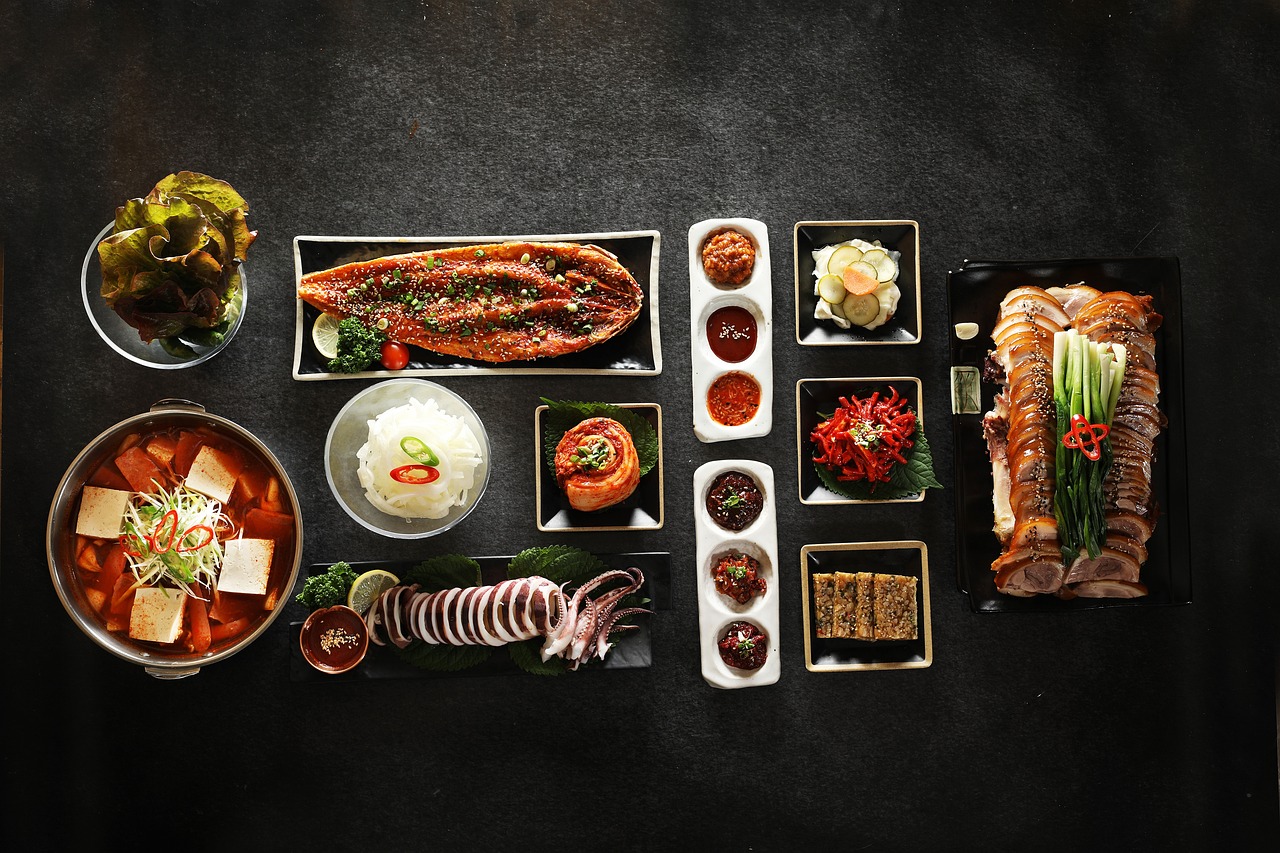
Food is a universal language that unites people, and tasting the best dishes around the globe is a delightful culinary adventure. From zesty street food to heartwarming classics, the world’s diverse gastronomic scene offers a sensory feast. Popular dishes from various cultures have become cherished favourites worldwide, highlighting the richness of flavours and cooking methods.
This article highlights ten of the finest dishes that everyone should experience at least once. From Italy’s renowned Pizza Napoletana to Austria’s crispy Wiener Schnitzel, each dish has made a significant impact on the culinary landscape. These meals not only satisfy our appetites but also offer a glimpse into the vibrant cultural heritage and traditions of their respective countries. Prepare yourself for a delicious journey through some of the most delectable and sought-after foods on the planet.
Pizza Napoletana (Italy)
Pizza Napoletana, celebrated as one of the best dishes globally, boasts a rich history and distinctive features that distinguish it from other popular foods. This iconic Italian comfort dish has won the hearts and palates of people everywhere.
Pizza Napoletana History
The roots of Pizza Napoletana can be traced back to Naples, Italy, in the 18th century. Originally, it was a simple street food enjoyed by the less fortunate. The modern iteration of this delightful dish rose to fame in 1889 when Raffaele Esposito crafted the Pizza Margherita for Queen Margherita of Savoy. He adorned it with fresh tomatoes, mozzarella, and basil to represent the colours of the Italian flag, solidifying the classic Neapolitan pizza we cherish today.
Pizza Napoletana Ingredients
Authentic Pizza Napoletana is crafted from simple, high-quality ingredients. The dough is made with flour, water, salt, and yeast. For the sauce, San Marzano tomatoes, which thrive in the volcanic soil of Mt. Vesuvius, are used. The traditional cheese is fresh mozzarella, either fiori di latte or buffalo mozzarella from Campania. To finish, basil leaves and extra virgin olive oil are added as toppings.
Pizza Napoletana Cooking Method
The cooking method is essential for achieving the ideal Pizza Napoletana. The dough is hand-kneaded and allowed to rise for a minimum of 24 hours. It is then shaped into a thin base with a thick, airy crust. The pizza is baked in a wood-fired oven at temperatures reaching 905°F (480°C) for just 60-90 seconds. This rapid, intense heat results in the signature soft, chewy texture with charred spots on the crust.
Sushi (Japan)
Sushi, celebrated as one of the finest foods globally, has gained immense popularity. This Japanese dish combines vinegared rice with a variety of ingredients, achieving a delightful balance of flavours and textures. Its widespread appeal has made it a staple in many countries and a must-try for food lovers.
Sushi Types
There are various types of sushi, each with distinct features. Nigiri, a hand-formed mound of rice topped with fish or seafood, is perhaps the most recognisable. Makizushi, or rolled sushi, includes well-known varieties like California rolls and spicy tuna rolls. Chirashizushi, a bowl of sushi rice adorned with an assortment of raw fish and vegetables, presents a colourful and visually enticing option.
Sushi Ingredients
The essential ingredients in sushi consist of short-grain Japanese rice, nori (seaweed sheets), and a range of fillings such as raw fish, vegetables, and sometimes cooked items. Common accompaniments like wasabi, pickled ginger, and soy sauce enhance the overall flavour. The quality of these ingredients is vital for creating authentic and delicious sushi.
Sushi Preparation
Making sushi requires both skill and precision. The rice is cooked and seasoned with a mixture of vinegar, sugar, and salt. The chef then carefully puts together the ingredients, whether by hand-shaping nigiri or rolling makizushi with a bamboo mat. Presentation is crucial in sushi, with chefs often crafting visually appealing arrangements that are just as delightful to look at as they are to eat.
Tacos al Pastor (Mexico)
Tacos al Pastor, a cherished Mexican street food, has earned its place among the world’s best dishes. This popular meal features the rich flavours of marinated pork, prepared using a distinctive cooking method that results in a delicious and satisfying experience.
Tacos al Pastor Origin
The roots of Tacos al Pastor can be traced back to Lebanese immigrants who arrived in Mexico in the 1930s. They introduced the technique of cooking meat on a vertical spit, akin to shawarma. Over the years, this method evolved to cater to Mexican palates, swapping lamb for pork and incorporating local spices and flavours.
Tacos al Pastor Ingredients
The main ingredient in Tacos al Pastor is thinly sliced pork shoulder, marinated in a mix of spices and chilies. The marinade usually consists of achiote paste, guajillo chili powder, garlic, cumin, oregano, and vinegar. A standout feature of this dish is the addition of pineapple, which not only brings sweetness but also helps to tenderise the meat.
Tacos al Pastor Cooking Method
What truly sets Tacos al Pastor apart from other popular foods is its cooking method. The marinated pork is stacked on a vertical spit known as a ‘trompo’, with a pineapple placed on top. As the meat roasts slowly, the pork fat drips down, creating a crispy outer layer. The meat is then thinly sliced off the spit and served on warm corn tortillas, accompanied by chopped onions, cilantro, and a slice of grilled pineapple.
Dim Sum (China)
Dim sum, a cherished culinary tradition from China, has earned its place among the world’s best foods. This popular dish features small, bite-sized portions served in steamer baskets, presenting a delightful variety of flavours and textures.
Dim Sum Varieties
Dim sum includes a vast selection of dishes, ranging from steamed dumplings to baked buns. Some of the most beloved items are siu mai (pork and shrimp dumplings), har gow (shrimp dumplings), and char siu bao (barbecue pork buns). These tasty bites highlight the meticulous craftsmanship and attention to detail that define dim sum preparation.
Dim Sum Preparation
Preparing dim sum demands skill and precision. Chefs meticulously create each item, focusing on the dough’s texture and the flavour balance in the fillings. Steaming is a common cooking technique, though some dishes are deep-fried or baked. Presentation is also crucial, with chefs arranging the dishes in an appealing way.
Dim Sum Eating Etiquette
Savouring dim sum is a social affair with its own traditions. Diners usually share dishes, choosing items from rolling carts or ordering from a menu. It’s customary to pour tea for others before serving yourself and to tap the table with two fingers as a sign of gratitude when someone pours tea for you.
Massaman Curry (Thailand)
Massaman curry, a cherished dish from Thailand, has earned its place as one of the world’s top foods. This rich and flavorful curry is distinguished by its unique combination of spices and ingredients.
Massaman Curry History
The roots of Massaman curry date back to the 17th century in Thailand. It is thought to have been shaped by Persian, Indian, and Malay culinary traditions, reflecting the diverse trade routes that linked East and West. The term ‘Massaman’ is believed to come from ‘Mosulman’, an old term for Muslim, which underscores its Islamic heritage.
Massaman Curry Ingredients
This comforting dish merges traditional Thai components with spices that are less common in other Thai curries. The curry paste usually consists of dried chilies, lemongrass, galangal, shallots, and garlic, along with cinnamon, cardamom, cloves, and cumin. The recipe often includes tender meat, potatoes, onions, and peanuts, all simmered in rich coconut milk.
Massaman Curry Cooking Process
To make this popular street food, the curry paste is first sautéed in coconut cream until it becomes aromatic. Next, the meat, typically chicken or beef, is added and cooked slowly with coconut milk. Potatoes, onions, and peanuts are added later, allowing the flavours to blend beautifully. The curry is seasoned with palm sugar, fish sauce, and tamarind, achieving a delightful balance of sweet, salty, and sour flavours.
Paella (Spain)
Paella, often hailed as one of the finest dishes globally, is a colourful and satisfying rice dish that has become a hallmark of Spanish cuisine. It originated in the Valencia region and has won the hearts and palates of people around the world. This dish is known for its saffron-infused rice, which is cooked in a wide, shallow pan called a ‘paellera’, lending its name to the dish.
Paella Origins
The origins of paella can be traced back to the rural areas surrounding the Albufera lagoon near Valencia. It started as a simple meal for farmers and labourers who would use whatever ingredients they could find in the rice fields. Initially, paella featured tomatoes, onions, and even snails, with rabbit or duck often included. As living conditions improved in the late 19th century, the recipe evolved to incorporate chicken and, in coastal regions, seafood.
Paella Ingredients
Traditional paella valenciana is made with specific ingredients that are protected by the Valencian government. These include Bomba or Calasparra rice, chicken, rabbit, green beans, white beans, tomato, olive oil, saffron, salt, and water. Using authentic Spanish rice is essential, as it absorbs liquid effectively and maintains its firmness during cooking. Saffron not only adds a beautiful colour but also imparts a distinctive flavour to this beloved dish.
Paella Cooking Technique
The method of cooking is just as crucial as the ingredients when it comes to making the perfect paella. The rice is cooked uncovered in the paellera, which allows for even heat distribution. A vital aspect of the process is achieving the socarrat, a crispy layer of rice at the bottom of the pan that is considered a delicacy. Traditionally, paella is cooked over an open flame, which adds a delightful smoky aroma, enhancing the overall flavour of the dish.
Pho (Vietnam)
Pho, a cherished Vietnamese noodle soup, has rightfully earned its spot among the world’s best foods. This comforting dish has won over the hearts and palates of people everywhere with its rich flavours and aromatic broth. Originating from the bustling streets of Vietnam, pho has transformed into a beloved dish that captures the essence of Vietnamese cuisine.
Pho Origins
The roots of pho can be traced back to the early 20th century in northern Vietnam. It is thought to have been shaped by both Chinese and French culinary influences. What began as a simple street food has evolved into a national treasure, reflecting the country’s rich history and diverse cultural influences.
Pho Ingredients
At the core of pho is its delicious broth, created by simmering beef bones, onions, ginger, and a blend of aromatic spices for hours. The soup is accompanied by flat rice noodles, tender slices of beef or chicken, and an assortment of fresh herbs and bean sprouts. This combination results in a delightful balance of flavours and textures that makes pho one of the most celebrated dishes in the world.
Pho Preparation
Preparing pho is an art that demands both patience and skill. The broth is meticulously crafted by simmering bones and spices for hours, yielding a clear, fragrant liquid that serves as the foundation of this comforting dish. The noodles are cooked separately and added to the bowl just before serving, ensuring they maintain the perfect texture.
Wiener Schnitzel (Austria)
Wiener Schnitzel Origin
Wiener Schnitzel is a cherished Austrian dish that hails from Vienna. This beloved comfort food has earned its status as a national treasure, safeguarded by Austrian law. The term ‘Wiener’ translates to Viennese in German, highlighting its origins in the Austrian capital.
Wiener Schnitzel Ingredients
The essential ingredient for authentic Wiener Schnitzel is veal, usually sourced from the topside or eye of round cut. The meat is pounded thin and then coated in flour, beaten eggs, and fine breadcrumbs. For frying, clarified butter or lard is used, imparting the dish with its distinctive flavour and crispy texture.
Wiener Schnitzel Preparation
To make this street food favourite, the veal is butterflied and pounded to a thickness of about 4mm. It is then lightly salted, dredged in flour, dipped in egg wash, and coated with breadcrumbs. The schnitzel is fried in hot fat until it turns golden brown, with the pan gently shaken to create a wavy surface. It is typically served with a lemon wedge and accompanied by potato salad or parsley potatoes.
Conclusion
Exploring these ten remarkable dishes highlights the rich diversity of global cuisine. From the iconic Pizza Napoletana to the comforting Wiener Schnitzel, each dish carries a unique story and preparation method that distinguishes it. These culinary gems not only delight our taste buds but also offer a glimpse into the cultural heritage of their respective countries.
As we conclude our culinary journey, it’s evident that food has the ability to unite people and forge lasting memories. Whether you’re enjoying street food in Mexico or relishing a hearty Greek moussaka, these dishes demonstrate that the best foods in the world are more than mere sustenance. They celebrate tradition, innovation, and the universal language of flavour. So, the next time you seek to broaden your culinary experiences, consider trying one of these world-renowned dishes – your taste buds will be grateful.