
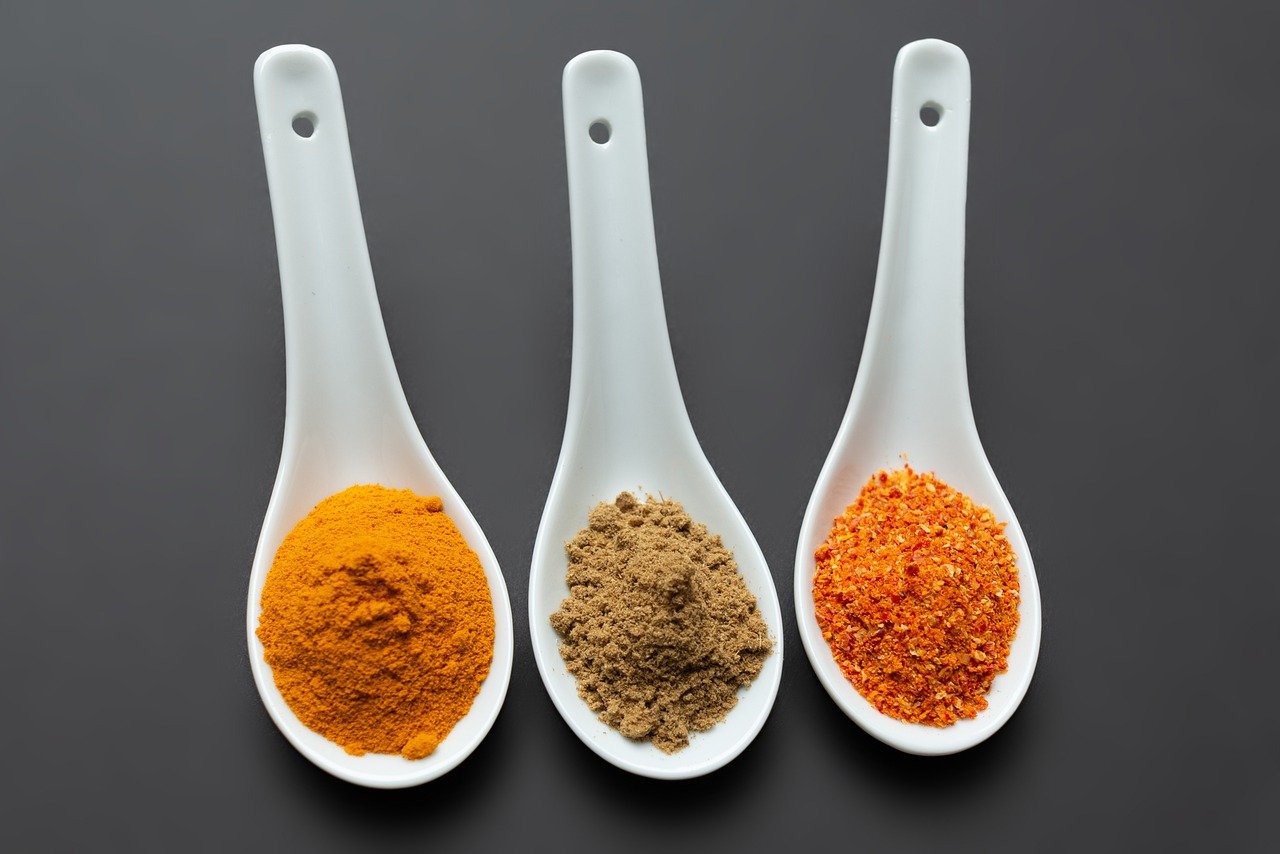
Herbs and spices can turn simple meals into culinary delights. These aromatic ingredients not only enhance the flavour of dishes but also offer a variety of health benefits. From increasing antioxidants to enriching marinades and rubs, herbs and spices are vital in both sweet and savory recipes.
This article explores the realm of herbs and spices to enhance your cooking skills. It highlights essential seasonings for any kitchen, techniques for mastering herb and spice pairings, and ways to maximise flavour in your cooking. Readers will learn about the versatility of fresh and dried herbs, whole spices, and seasoning blends, as well as how to create infused oils and spice rubs to elevate their dishes.
Essential Herbs and Spices for Your Kitchen
A well-equipped kitchen is incomplete without a variety of herbs and spices. These fragrant ingredients can transform everyday meals into culinary masterpieces, adding depth, complexity, and flavour to a wide array of dishes. Let’s take a look at some common culinary herbs, popular cooking spices, and essential storage tips to enhance your cooking skills.
Common Culinary Herbs
Herbs bring a fresh, vibrant touch to cooking. Here are some key herbs to keep in your kitchen:
- Basil: This adaptable herb comes in two main types – sweet basil and Asian basil. Sweet basil pairs wonderfully with tomatoes and Mediterranean dishes, while Asian basil is perfect for curry pastes and savory stews.
- Parsley: Often overlooked, parsley provides a light, peppery flavour that enhances and complements other tastes without overpowering them.
- Thyme: A versatile herb found in North American and Northern European cuisines, thyme can be added to nearly any meat or seafood dish.
- Rosemary: With its strong, aromatic flavour, rosemary is ideal for hearty meals like stews, soups, and larger cuts of meat such as pork loin or leg of lamb.
- Mint: One of the few herbs that can be used in both sweet and savory dishes, bringing a refreshing element to everything from chocolate desserts to spicy curries.
Popular Cooking Spices
Spices are the secret ingredients that every skilled cook relies on. Here are some essential spices to have in your kitchen:
- Black Pepper: A common staple, black pepper adds a gentle heat and depth to savory dishes.
- Cinnamon: While it’s a key ingredient in baking, cinnamon also shines in savory recipes and is found in many spice blends.
- Cumin: With its earthy, smoky flavour, cumin is a fundamental spice in Middle Eastern cooking and enhances the richness of many dishes.
- Turmeric: This versatile spice not only imparts a bright yellow hue but also adds an earthy taste to meals like chicken and rice or ginger and turmeric noodle soup.
- Garlic Powder: A handy substitute for fresh garlic, garlic powder delivers a savory, robust flavour to a variety of dishes.
Storage Tips
To keep your herbs and spices fresh and potent, follow these storage guidelines:
- Store spices in a cool, dark, and dry area to shield them from moisture, heat, and excessive light.
- Use airtight containers such as glass jars or Mylar bags with oxygen absorbers for optimal storage.
- Label each container with the spice name and the date it was opened.
- Replace dried herbs and spices annually to maintain their best flavour.
- Consider keeping whole spices instead of ground ones, as they last longer and have a more intense flavour.
By having these essential herbs and spices readily available and storing them correctly, you’ll be prepared to whip up delicious, flavourful meals in your kitchen.
Mastering Herb and Spice Combinations
Combining herbs and spices can turn simple dishes into culinary delights. By learning about flavour pairings, balancing their strengths, and delving into regional spice mixes, you can take your cooking to the next level.
Complementary Flavour Pairings
To achieve a well-rounded taste, it’s important to choose herbs and spices that enhance each other. For example, basil goes beautifully with tomatoes, garlic, and oregano, creating a classic Italian flavour profile. Cumin pairs nicely with coriander, cardamom, and cinnamon, forming the backbone of many Middle Eastern and Indian recipes.
Balancing Intensity
When mixing herbs and spices, consider their strength. Some, like cloves and cardamom, have bold flavours that can dominate a dish if overused. To find the right balance, start with small amounts and adjust as needed. For instance, when making a curry blend, you might use turmeric and cumin as a base, then gradually incorporate stronger spices like cinnamon and cloves.
Regional Spice Blends
Exploring regional spice blends provides a glimpse into the culinary heritage of various cultures. From the comforting Garam Masala of India to the fragrant Za’atar of the Middle East, these blends highlight the distinct flavours of their regions. For example, Chinese Five Spice combines sweet, sour, bitter, and savoury elements, while Herbs de Provence embodies the spirit of Southern French cooking with its mix of dried herbs.
By mastering these elements of herb and spice combinations, you can create dishes that are not only delicious but also reflect the rich culinary traditions from around the globe.
Techniques for Maximising Flavour
Toasting and Grinding Spices
Toasting and grinding whole spices can elevate ordinary meals into culinary delights. This process enhances the rich flavours in your favourite recipes. To toast spices, place them in a dry sauté pan over medium heat, stirring constantly with a wooden spoon. They’re ready when their oils have warmed and their aroma is strong, usually taking about 3-5 minutes. Be cautious not to burn them, as this can quickly turn a delightful scent into a bitter one.
After toasting, transfer the spices to a room temperature plate to cool. For grinding, using a mortar and pestle provides the most authentic experience. Alternatively, a dedicated spice grinder or coffee grinder is effective for larger quantities. Grind, sift, and repeat until you achieve the desired consistency.
Infusing Oils and Vinegars
Infusing oils and vinegars with herbs and spices is a fantastic way to capture garden flavours and enhance your dishes. For oil infusions, both warm and cold methods work well. The warm method involves gently heating the oil and herbs in a double boiler or slow cooker for a few hours until fragrant. The cold method requires packing dry herbs into a jar, covering them with oil, and allowing them to infuse for 4-6 weeks in a cool, dark place.
For vinegar infusions, fresh herbs can be used. Simply pack washed and bruised herbs into a jar, cover them with vinegar, and let it sit in a cool, dark area for about two weeks. Strain and store the finished vinegar in the refrigerator.
Creating Rubs and Marinades
Rubs and marinades are great techniques for enhancing flavour in meats and vegetables. For a simple herb rub, chop fresh herbs like thyme, rosemary, or oregano, add garlic and spices, and mix them with olive oil. This blend can be applied to meats before cooking, allowing the flavours to penetrate deeply.
Marinades usually follow a 2:1:1 ratio of fat to acid to flavourings. The fat helps carry the flavour, while the acid works to tenderise the meat. Select flavourings that complement one another, and always include some form of salt. Apply the marinade to the meat and refrigerate it, allowing time for the flavours to meld and enhance the dish.
Conclusion
The world of herbs and spices is a treasure trove of flavours that can elevate culinary creations. By mastering the art of combining these aromatic ingredients, cooks can take their dishes to new heights. Techniques like toasting spices and creating infusions significantly impact the depth and complexity of flavours in various recipes. This exploration of herbs and spices provides home cooks and aspiring chefs with the knowledge to transform everyday meals into extraordinary culinary experiences.
In summary, the journey into the realm of herbs and spices is an ongoing adventure. With a well-stocked spice rack and a willingness to experiment, anyone can unlock a world of flavour possibilities. The key is understanding flavour pairings, balancing intensities, and applying the right techniques to bring out the best in these ingredients. By embracing these principles, cooks can continue to develop their skills and create dishes that delight the taste buds and bring joy to the table.