
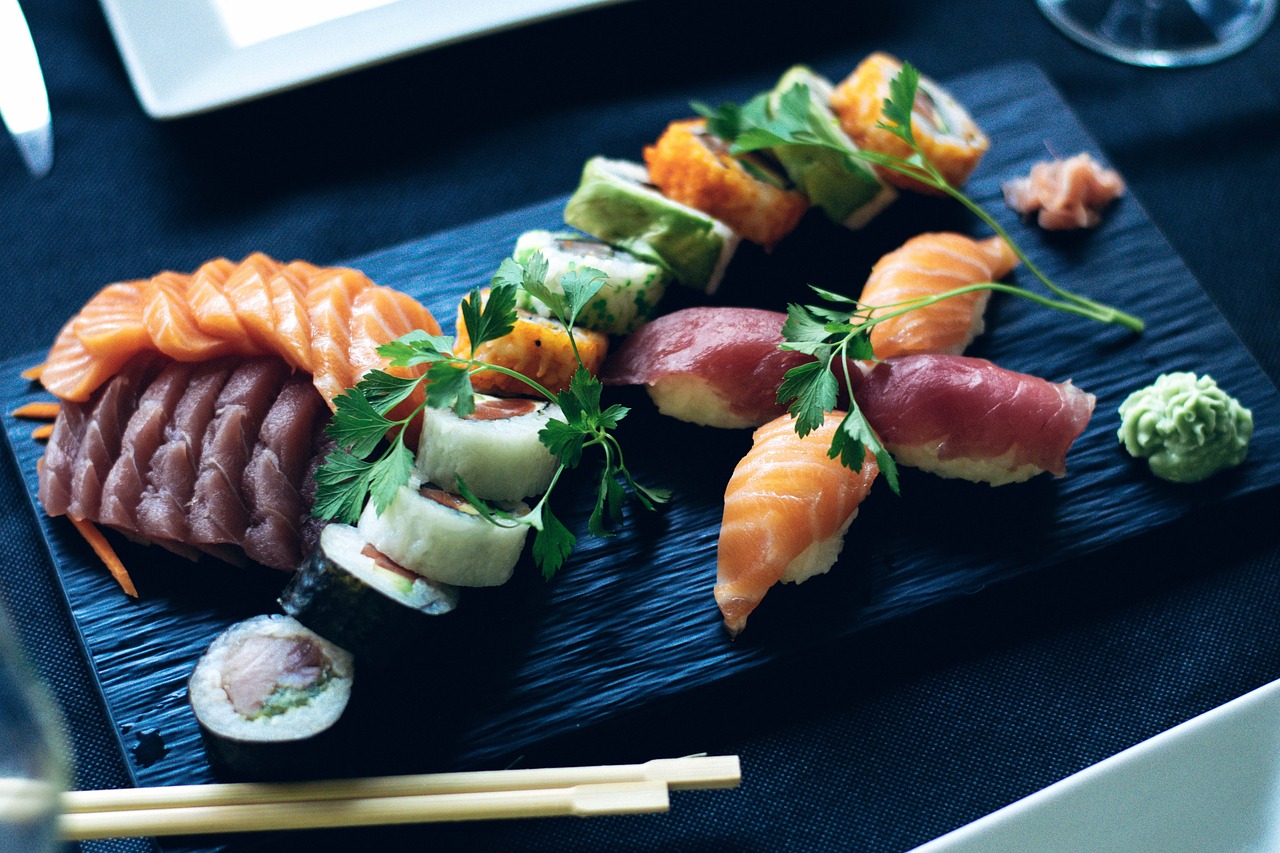
Japanese food is celebrated worldwide for its meticulous preparation and clean, distinct flavours. Many home cooks believe that creating authentic Japanese dishes requires specialised training or hard-to-find ingredients. However, the reality is that you can whip up many classic Japanese recipes right in your own kitchen with a bit of guidance and some basic ingredients.
This comprehensive guide covers everything you need to know about Japanese cooking techniques and recipes. You’ll discover how to make perfect sushi rice, hearty ramen, and crispy tonkatsu. The guide also teaches you the proper methods for preparing traditional appetisers like gyoza and edamame. Plus, you can create restaurant-quality main courses. Each recipe includes clear instructions, ingredient substitutions, and expert tips to ensure great results.
Essential Japanese Ingredients and Equipment
A well-equipped Japanese kitchen requires the right ingredients and tools. Having a stocked pantry with essential items and specialised cooking equipment allows you to prepare everything from simple miso soup to intricate ramen dishes.
Key Pantry Staples
Japanese cuisine derives its unique flavours from fundamental ingredients. These essential items are what create the magic in every dish:
- Soy Sauce (Shoyu) – The cornerstone of Japanese seasoning
- Mirin – A sweet cooking rice wine that adds beautiful glazes and sauces
- Sake – Rice wine that’s perfect for cooking and marinades
- Rice Vinegar – A milder alternative to Western varieties
- White Miso Paste – A versatile fermented soybean paste that enhances depth
- Dashi Stock – A rich base made from kombu seaweed and bonito flakes
Must-Have Japanese Cooking Tools
Japanese cuisine requires specific tools that help in crafting authentic dishes:
| Essential Tool | Primary Use |
| Rice Cooker | Makes perfect rice every time |
| Bamboo Mat | Creates rolled sushi |
| Carbon-Steel Wok | Handles stir-frying and deep-frying |
| Long Cooking Chopsticks | Offers precise ingredient control |
| Wooden Rice Paddle | Mixes and serves rice properly |
Where to Find Authentic Ingredients
Asian grocery stores and specialised Japanese markets carry most Japanese ingredients. Online retailers that focus on Japanese food products make these items accessible to a wider audience. Using Japanese-produced versions of staple ingredients can significantly enhance the flavour of your dishes, particularly with soy sauce, which comes in various regional styles. For those without Asian markets nearby, online Japanese food stores are a great alternative. These stores offer nationwide delivery and provide a comprehensive selection of shelf-stable ingredients along with specialised cooking tools.
Mastering Japanese Rice and Noodle Dishes
Rice and noodles are the cornerstones of Japanese cuisine, requiring precise techniques and careful attention to detail. By honing your skills in these essential dishes, you can create authentic Japanese meals in the comfort of your home.
Perfect Sushi Rice Technique
The foundation of great sushi is perfectly cooked rice. Japanese short-grain rice is ideal for sushi due to its optimal starch balance, which creates that perfect sticky texture. Here’s the essential ratio you need:
| Rice Amount | Water Amount | Cooking Time |
| 1 cup | 1.1-1.2 cups | 12-13 minutes |
Your rice will turn out amazing if you follow these steps:
- Wash the rice until the water runs clear.
- Let it soak for 20-30 minutes before cooking.
- Once it boils, reduce the heat and keep the lid on.
- After cooking, let it steam with the lid on for an additional 10 minutes.
- While the rice is still warm, mix in your rice vinegar seasoning.
Homemade Ramen From Scratch
To achieve restaurant-quality ramen, you need to master the broth, noodles, and toppings. A rich chicken or pork stock combined with dashi creates deep umami flavours. The broth gains its authentic taste when simmered with aromatics like ginger, spring onions, and dried shiitake mushrooms.
Udon and Soba Noodle Recipes
Japanese cuisine showcases these two versatile noodle types. Udon noodles are thick and chewy, making them ideal for hot soups and stir-fries. These white wheat noodles are delicious in simple dashi broth or paired with tempura. Soba noodles, made from buckwheat flour, have a distinct nutty flavour and excel in both hot and cold dishes. Their rough texture allows them to absorb the flavours of dipping sauces and broths effectively.
The secret to cooking both types of noodles is achieving the perfect al dente texture with a slight chew. Fresh noodles cook quickly, while dried ones require precise timing to avoid becoming mushy.
Iconic Japanese Main Courses
The main courses of Japanese cuisine combine balanced flavours with precise cooking techniques, distinguishing this culinary tradition. Each iconic dish showcases how traditional methods and high-quality ingredients come together in perfect harmony.
Teriyaki Chicken
The term “teriyaki” combines two Japanese words: teri (gloss) and yaki (grilling), which describes the glossy finish of this beloved dish. A traditional Japanese teriyaki sauce consists of four key components.
| Ingredient | Purpose |
| Soy Sauce | Base flavour and colour |
| Mirin | Natural sweetness |
| Sake | Tenderising and aroma |
| Sugar | Caramelisation |
Chefs often favor chicken thighs over breasts, pan-frying them until the skin is crispy. The final touch involves glazing the chicken with sauce to create a shiny coating.
Tonkatsu (Breaded Pork Cutlet)
A delightful blend of Western and Japanese cuisines was born in 1899 at Tokyo’s Rengatei restaurant with the creation of this crispy pork cutlet. The preparation method achieves a perfect balance of textures:
- The boneless pork loin is coated three times with flour, egg, and panko breadcrumbs.
- When deep-fried at 170°C, the cutlet turns a beautiful golden brown.
- Fresh shredded cabbage and a special tonkatsu sauce complete the dish.
Japanese panko breadcrumbs are what make authentic tonkatsu stand out. Their unique texture results in an exceptionally light and crispy exterior that locks in the pork’s natural juices.
Miso-Glazed Fish
A simple white fish or salmon transforms into an elegant main course with this umami-rich dish that utilises traditional fermented soybean paste. A marinade of white miso, mirin, and sake infuses deep, complex flavours into the fish during cooking. Gentle heat prevents the miso from burning while allowing natural sugars to form a delicate glaze. Although the fish typically requires several hours to marinate, modern cooks can achieve similar results quickly using precise scoring techniques.
Japanese Side Dishes and Appetisers
The side dishes and appetisers in Japanese cuisine create a harmonious balance of flavours and textures that enhance every main course. These small plates, known as kozara or tsukidashi, showcase the culinary precision that makes Japanese food so distinctive.
Gyoza (pan-fried dumplings)
Japanese gyoza features a thin wrapper filled with a tasty mixture of ground pork and vegetables. Perfecting gyoza relies on a well-prepared filling that includes:
- Salt-pressed cabbage, finely minced
- Ground pork shoulder mixed with garlic and ginger
- Nira (Chinese chives) or scallions for added aroma.
Each dumpling’s distinctive half-moon shape is achieved through a careful folding technique that creates 4-5 pleats along the edge. The cooking method uniquely combines pan-frying and steaming, resulting in a crispy bottom while keeping the top soft and tender.
Tempura vegetables
To achieve perfect tempura, it’s essential to maintain specific oil temperatures that yield a crispy coating. The traditional tempura batter relies on these precise temperatures:
| Temperature Stage | Purpose |
| 160°C | Root vegetables |
| 170°C | Leafy vegetables |
| 180°C | Quick-cooking items |
A light and crispy texture is achieved by using ice-cold water and limiting the mixing of the batter. Sweet potato, kabocha squash, and mushrooms are excellent choices for tempura vegetables.
Edamame with sea salt
Edamame exemplifies the elegant simplicity of Japanese cuisine. Fresh or frozen edamame pods turn a vibrant green and become tender after boiling in salted water for 4-5 minutes. High-quality sea salt enhances the natural sweetness of the edamame, making it the star ingredient without the need for elaborate preparations. This protein-rich appetiser is delightful whether served warm or at room temperature, setting the perfect tone for any Japanese meal.
Conclusion
Don’t let the perceived complexity of Japanese cuisine deter you from exploring its rich traditions. With the right ingredients, proper equipment, and fundamental techniques, you can create authentic Japanese dishes in your own kitchen. Japanese cooking offers both challenges and rewards through its careful balance of flavours, precise cooking methods, and meticulous attention to detail. These elements will enhance your overall cooking skills.
Japanese recipes will immerse you in sophisticated flavours and culinary traditions that have evolved over centuries. Each dish, from perfectly cooked sushi rice to crispy tonkatsu, provides an opportunity to connect with Japan’s esteemed food culture. With practice, patience, and respect for traditional methods, your dishes will rival those found in restaurants, bringing authentic Japanese flavours to your dining table.